Carinthia.com: Dr. Fisler, if you had to describe the PHK in three sentences: What qualities and strengths are most important to you?
Dr. Sven Fisler: I would like to emphasise three central aspects. Firstly, our high practical and application orientation at the cutting edge of science, always on the pulse of social change, for example in the STEM subjects. Secondly, our location in the multi-faceted Alps-Adriatic region, which focuses on multilingualism as well as transcultural and political education. And thirdly, our humanistic view of people and society. As the only Viktor Frankl University in Europe, we attach great importance to autonomous action, taking responsibility and following a sense of purpose.
Which fields of study and specialisations particularly shape the profile of the PHK?
Dr. Sven Fisler: This can be summarised in one sentence: “We qualify people and develop systems.” Our courses cover all areas of education, especially elementary, primary, secondary and vocational education. Another unique feature of universities of teacher training in Austria is that we not only provide training, but we also offer further and continuing education and advise and support schools in their quality development.
How does the PHK help attract young people to the teaching profession and keep them in the region?
Dr. Sven Fisler: We focus on quality, support in everyday life, and the visibility of the teaching profession as a socially central profession. We need to make it clear what teachers do today, what special value they have and to what extent they play a key role in shaping our future. We are also focusing on making the diversity of this region more visible. Our region is unique due to its cultural and linguistic diversity, as well as its geographical location in the Alps-Adriatic region.
A new chapter begins with the move to Lakeside Science & Technology Park in autumn 2027. You yourself speak of a “new departure”. What does this step mean in concrete terms for students, teaching staff and the region?
Dr. Sven Fisler: It is a historic milestone for us and the entire education region. With over 160 employees, we are moving into two modern buildings with a wonderful inner courtyard and more than 30 classrooms. The proximity to the University of Klagenfurt creates a campus with short travel distances, rich student life and a wide range of possibilities. This will further strengthen the quality of training and further education, as well as international visibility.
What impact can such a new campus have on Carinthia and the Alps-Adriatic region as an educational location?
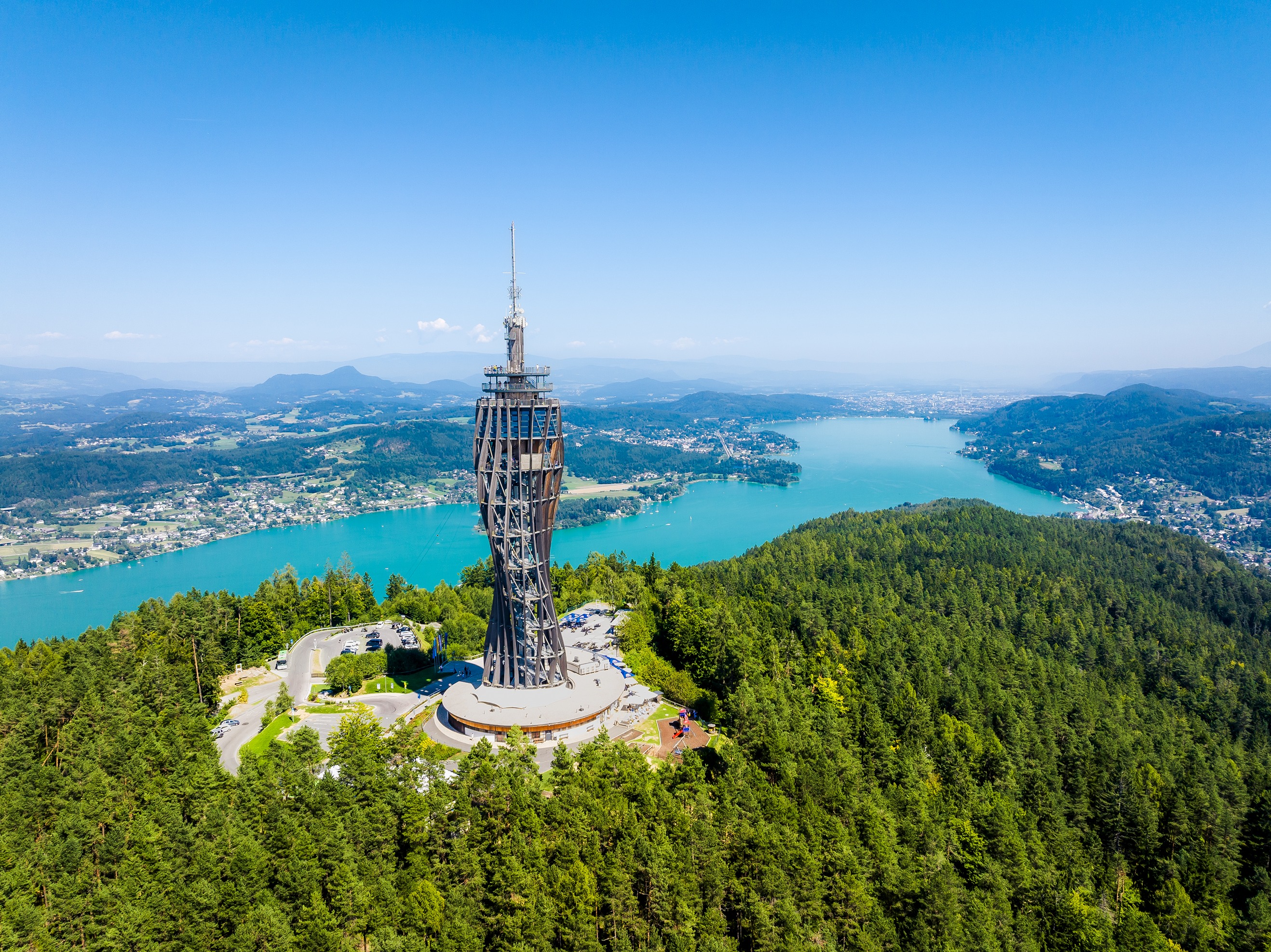
Dr. Sven Fisler: The campus is a unique selling point. Nowhere else in Austria is there such close integration in pedagogical studies all in one place, especially in the beautiful natural surroundings of Lake Wörthersee. This adds to the appeal that Carinthia has, both nationally and internationally as a location for education and innovation.
What opportunities arise from the immediate proximity to the University of Klagenfurt, Lakeside Labs and numerous technology companies?
Dr. Sven Fisler: There are already many collaborations, e.g. in STEM subjects. The new location enables an even more intensive exchange. For example, teaching staff meet spontaneously on the shared campus with people from companies and research institutions. This may sound banal at first, but it should not be underestimated. Joint projects are created more quickly, and new qualification formats can be developed directly. This motivates everyone involved and promotes transfers between science, schools and business.
What synergies result from partnerships with schools, companies or cultural and educational institutions in the region?
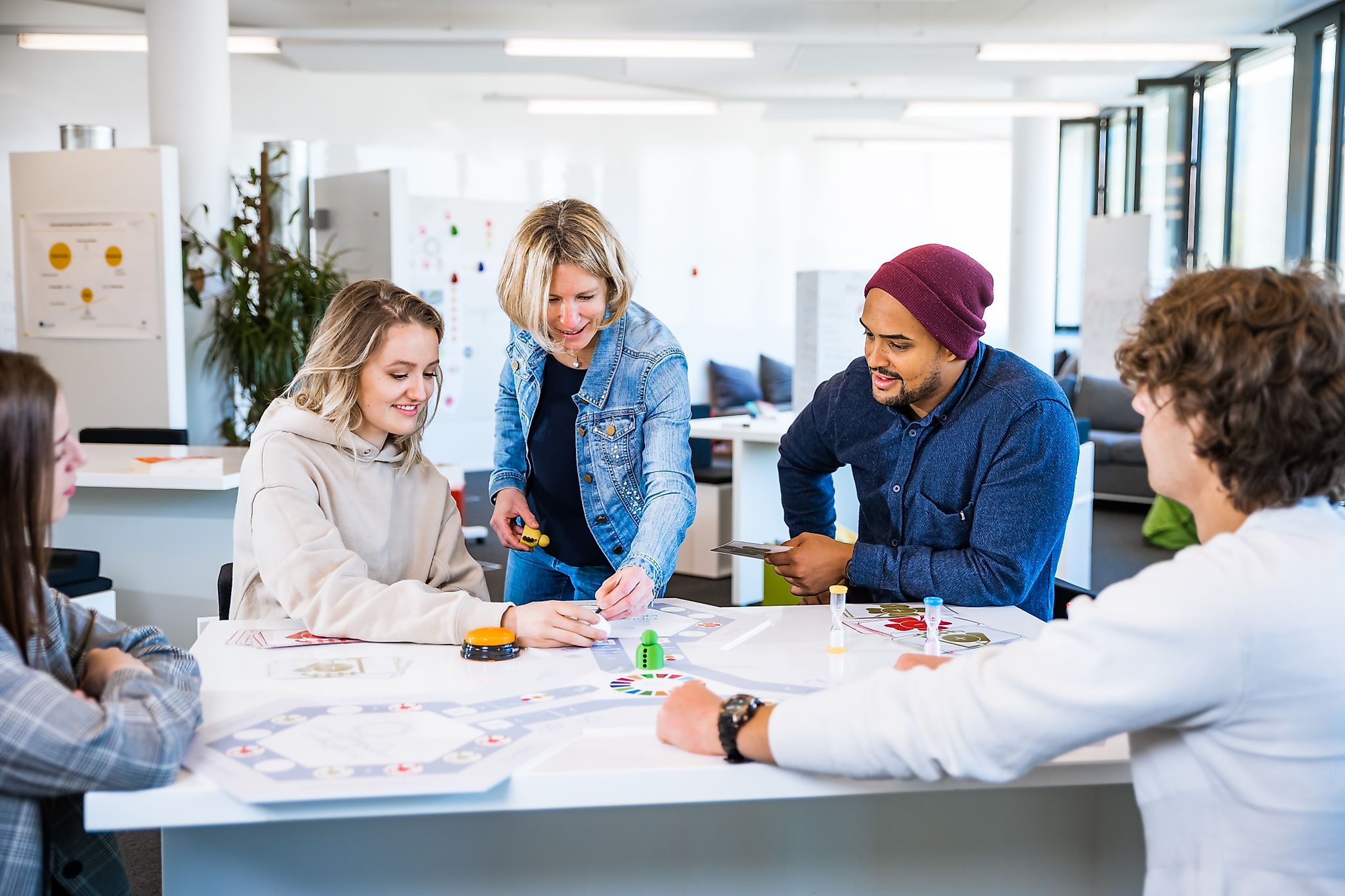
Dr. Sven Fisler: All our work is practice- and application-oriented and based on the latest scientific findings. We develop further education and training courses together with schools and actively seek out their needs. We also work with companies, social institutions and cultural organisations in tandem projects, for example. In this way, students get to know other living environments and can further develop their own mindsets.
The PHK not only offers study programmes, but also comprehensive counselling and further education. What significance do these two areas have for the university – and how do they contribute to strengthening Carinthia as an educational location?
Dr. Sven Fisler: We support schools in their quality development: from further training to university courses. Our experts provide on-site advice when it comes to violence prevention or language promotion, for example, and some schools still have little experience in this area. This close integration of science and practice is our strength and radiates far beyond the region. For us, practical orientation means that we develop our courses with and for teachers. For us, this is a basic prerequisite for creating adequate offers that can then also be implemented.
What are your wishes for the future of the PHK and for the region in which it is rooted?
Dr. Sven Fisler: I hope that our strengths will become even more recognised – regionally, nationally and internationally. This requires an education-friendly climate and framework conditions that enable innovation. For me, the ability to innovate means not only being innovative, but also being effective in practice. It is therefore crucial that our knowledge transfer is successful: from theory to practice. This is the only way that innovations can have a lasting impact on the education system and enable our future.