
Would you like to learn more about infrastructure, logistics, and digitalization in Carinthia?
Download our whitepaper “Carinthia Connected: Infrastructure, Logistics and Digitalisation as Regional Business Advantages” or contact us!
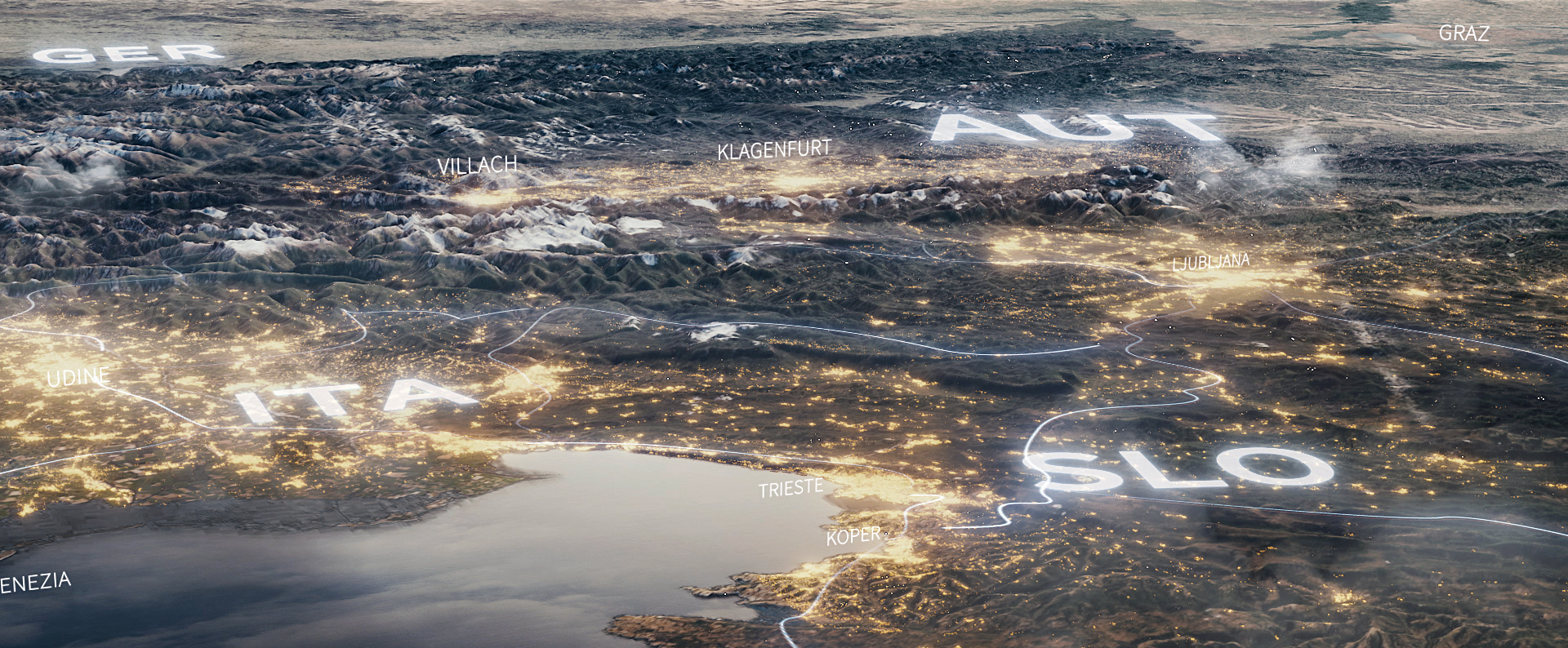
Monte Nero Productions
This means that data no longer has to be routed via large internet exchange points in cities such as Vienna or Frankfurt but can be exchanged directly in the region.
This shortens data paths, reduces latency times and increases the stability of digital applications. At the same time, this sort of node also strengthens digital sovereignty because data can be exchanged more within Europe and is less dependent on individual international infrastructure points.
But what role does it actually play when Carinthia becomes visible on the international map of internet infrastructure with ALPSiX?
What opportunities does this present for companies? Alexander Windbichler, CEO of the cloud and IT company Anexia, provides insight on this in this interview.

Tinefoto
Digital infrastructure determines the competitiveness of locations today

„The ALPSiX internet exchange point will make Carinthia much more attractive for data-intensive companies and digital business models“
Carinthia.com: Mr Windbichler, Anexia is now an internationally active cloud and IT company. Why does Carinthia continue to play an important role as a location for your company?Alexander Windbichler: We are continuing to invest in Carinthia because the location combines several interesting prerequisites. The Alps-Adriatic region forms a bridge to south-eastern Europe and Italy. At the same time, there is a strong technology ecosystem with facilities such as Lakeside Science & Technology Park in Klagenfurt.
Projects like the new ALPSiX internet exchange point are also creating important digital connections to international networks. Not to mention how, energy also plays a role: Carinthia has a lot of renewable energy, especially hydropower. This combination continues to make the location very attractive for us.
When companies are looking at a location today, when it comes to digital infrastructure, what do they pay particular attention to?
Alexander Windbichler: One important point is the fibre optic infrastructure. Companies want to know whether they have access to high-performance fibre optic networks and whether these are also connected to international data routes.
The second point concerns data centres. If companies want to operate digital infrastructure, they need sufficient power capacity, cooling and suitable locations for data centres. And a third factor is a skilled workforce. Such infrastructure cannot be operated without qualified personnel.
And how do you currently assess these factors for Carinthia?
Alexander Windbichler: Carinthia offers very good conditions. We have a strong mix of renewable energy, particularly hydropower, and additional potential in wind power and photovoltaics. Thanks to our location in the Alps-Adriatic region, we also have access to many qualified specialists. And in Central Carinthia in particular, the fibre optic infrastructure is very well developed with international routes. As a consequence, overall, we are well equipped – we just need to make consistent use of this potential.
What role does the new ALPSiX internet exchange point play in this?
Alexander Windbichler: An internet exchange point connects different networks directly with each other. As a result, data no longer has to take long detours through other cities but can be exchanged directly.
With ALPSiX this means in concrete terms that data from Carinthia no longer has to go via Vienna or Frankfurt. This results in shorter data paths, lower latency times and a more stable infrastructure. At the same time, the resilience of the network is also increased. Today, a large proportion of data traffic in the south of Austria depends on a few central locations functioning. A dedicated internet exchange point creates additional redundancy in the network.
What are the specific advantages for companies?
Alexander Windbichler: NThe most important advantage is performance. If data can be exchanged locally, applications react much faster. Then there is stability. Additional network connections make the infrastructure more robust against outages. And the third reason is digital sovereignty. If data can be processed more within Europe, the dependency on individual global infrastructure points is reduced.
You are also active at European level, for example on the Board of the cloud infrastructure association CISPE. What role does digital sovereignty play in this context?
Alexander Windbichler: Digital sovereignty is becoming an increasingly important issue for Europe. Companies and public institutions want to ensure that their digital infrastructure functions reliably and is not dependent on individual external players.
This does not mean that we do not want to work together internationally – on the contrary. But it is important that critical infrastructure and sensitive data are organised in such a way that Europe remains capable of responding and systems can be operated reliably at all times. The possibility of a “kill switch” or permanent insight into our data must not exist. Infrastructure such as an internet exchange point can help here because data can be exchanged more within Europe and is less dependent on individual central network nodes.
Which applications particularly benefit from this infrastructure?
Alexander Windbichler: We will then have an ecosystem that you can really work with properly. Even in large cities, it is not a matter of course that we have immediate access to international routes. This allows all business models to develop.
For example, there is the possibility that data centres will be established or that AI infrastructure will be created. One example outside of traditional IT is telemedicine. When medical systems or surgical robots communicate with each other, very low latency times are crucial. The situation is similar in industry, such as the Industrial Internet of Things. Sensors, machines and control systems communicate with each other constantly. Such applications require fast and stable data connections. And this is exactly what infrastructure like ALPSiX creates the basis for.
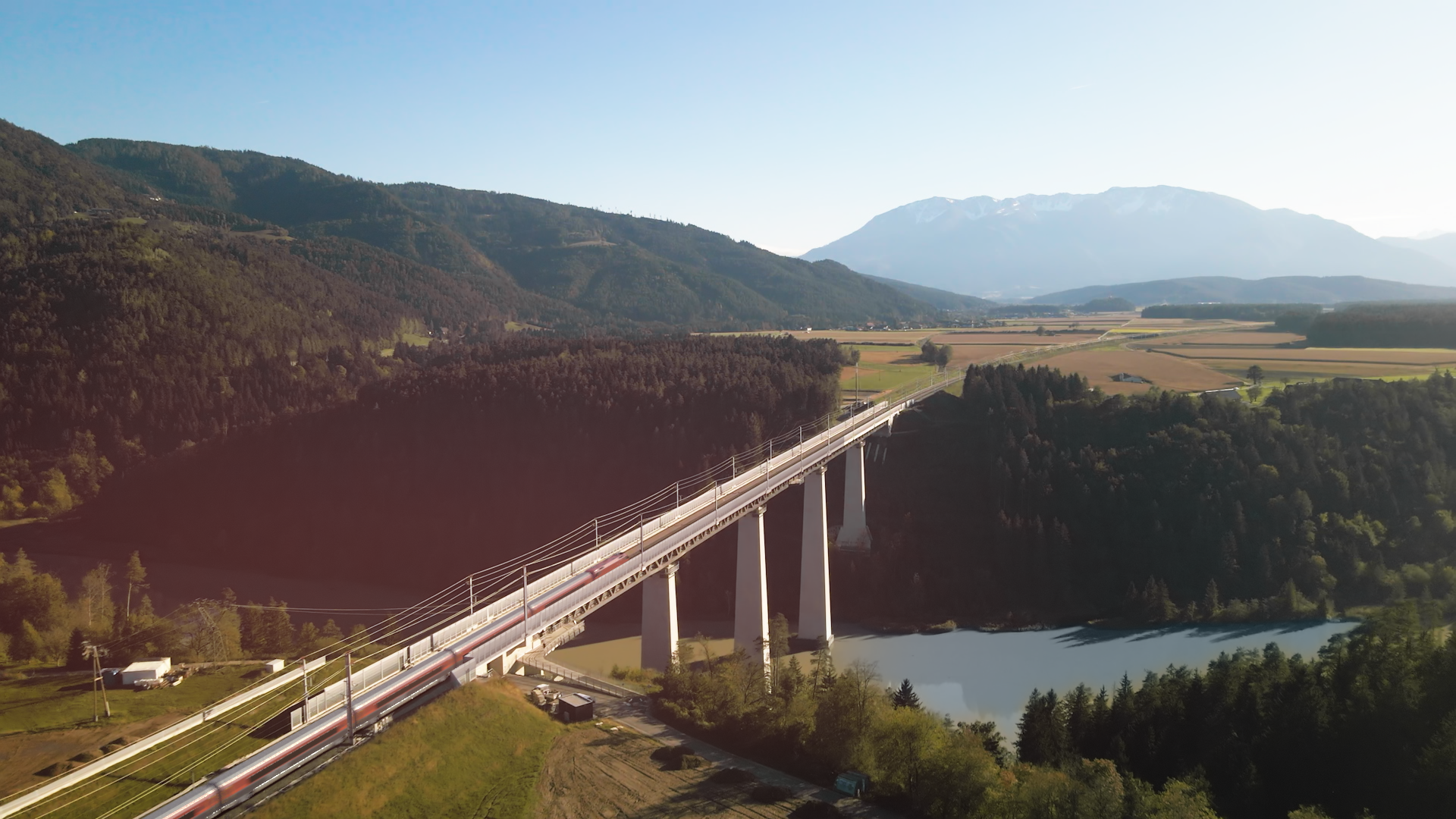
Monte Nero
Download our whitepaper “Carinthia Connected: Infrastructure, Logistics and Digitalisation as Regional Business Advantages” or contact us!