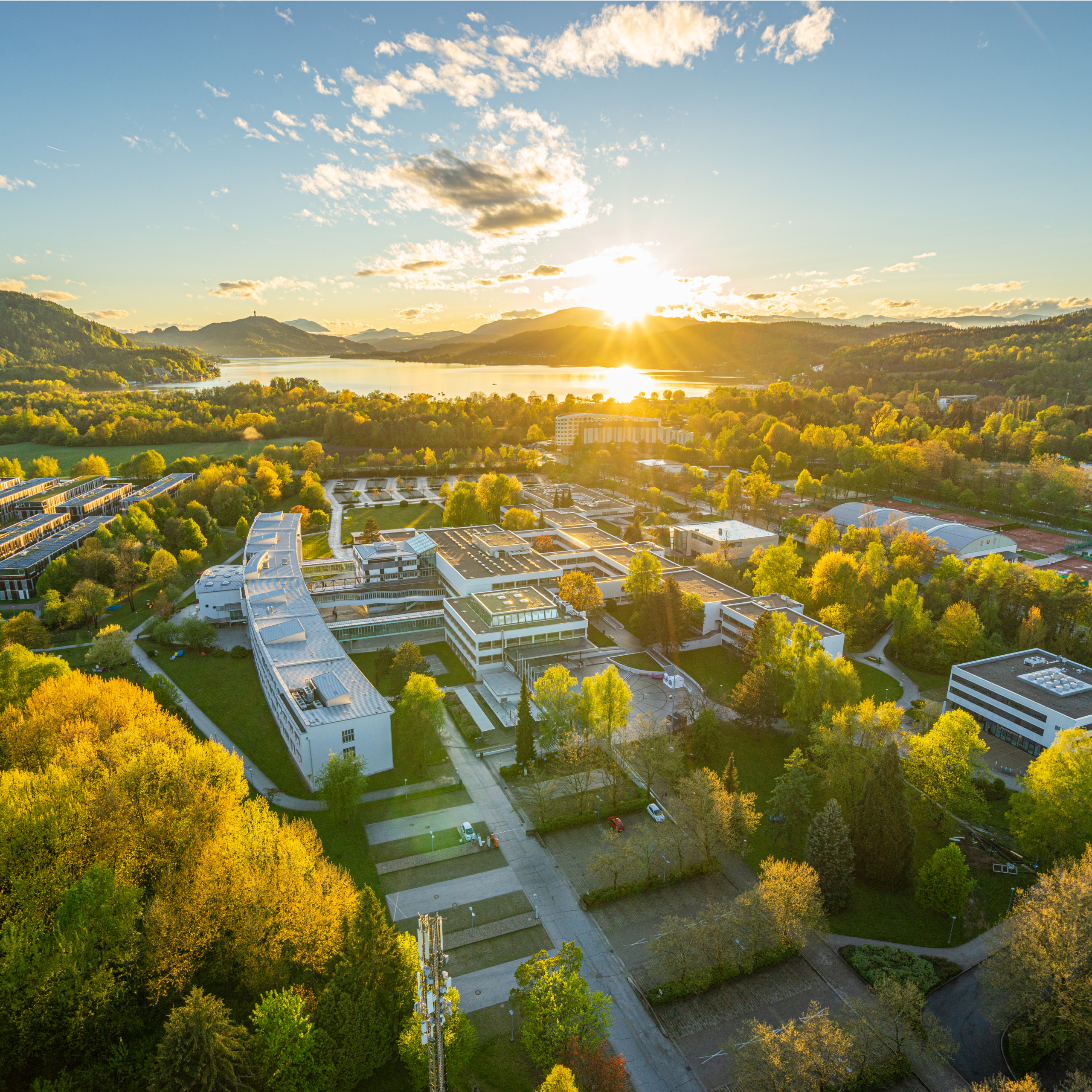
Carinthia.com: The University of Klagenfurt is the largest academic educational institution in Carinthia and a hub for knowledge acquisition, exchange and transfer in the entire Alpine-Adriatic region. What makes studying, research and teaching in Klagenfurt special for you?
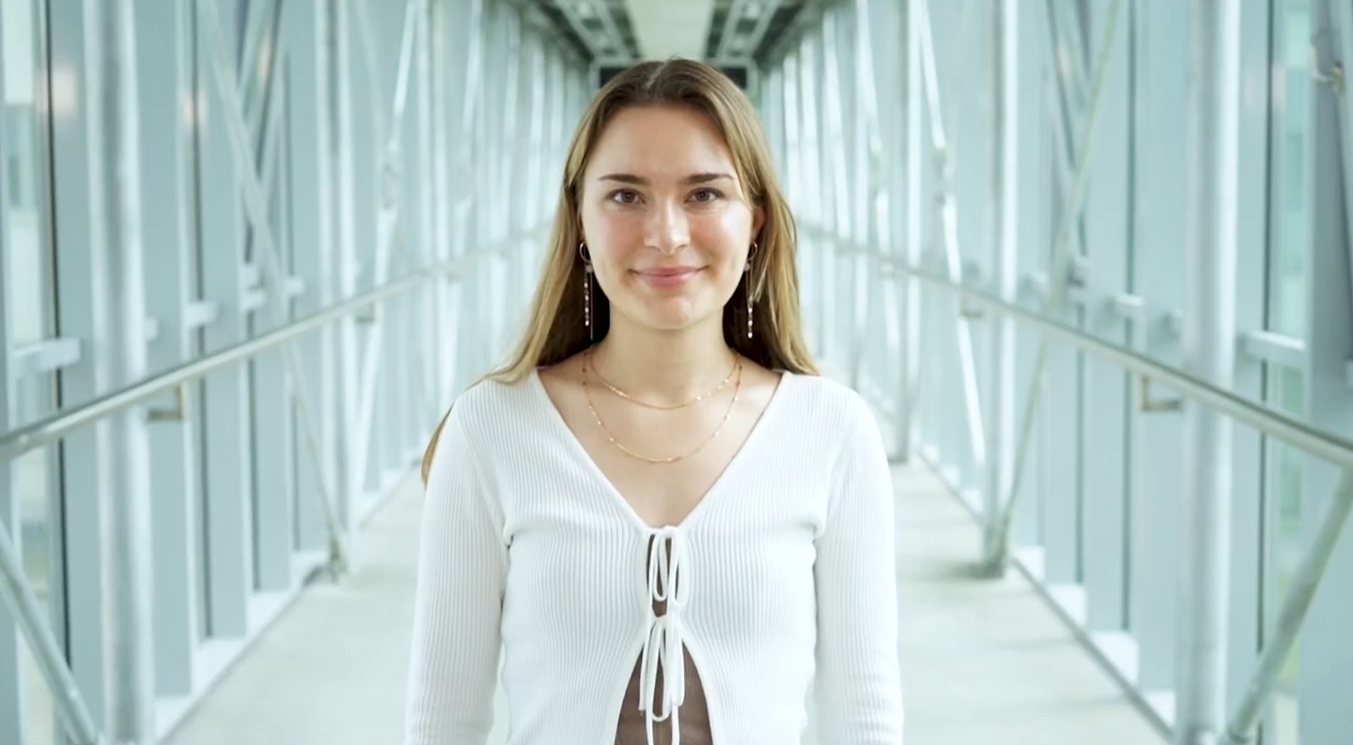
Prof. Dr. Ada Pellert: I think the range of subjects is brilliant – from technology to cultural studies. There is an interesting breadth that I really like. Interdisciplinarity is important to me, and this requires a basic diversity of disciplines. That’s what I find here. At the same time, I can confirm that the university is, as it says itself, a “university of short distances”. In teaching, students meet professors personally, which is no longer a matter of course. There is a special intensity to studying, unlike in large mass subjects. The proximity of the disciplines to each other is also inspiring for research. This is great potential that the university is already tapping into, and that I would like to develop further.
What could this development look like in concrete terms?
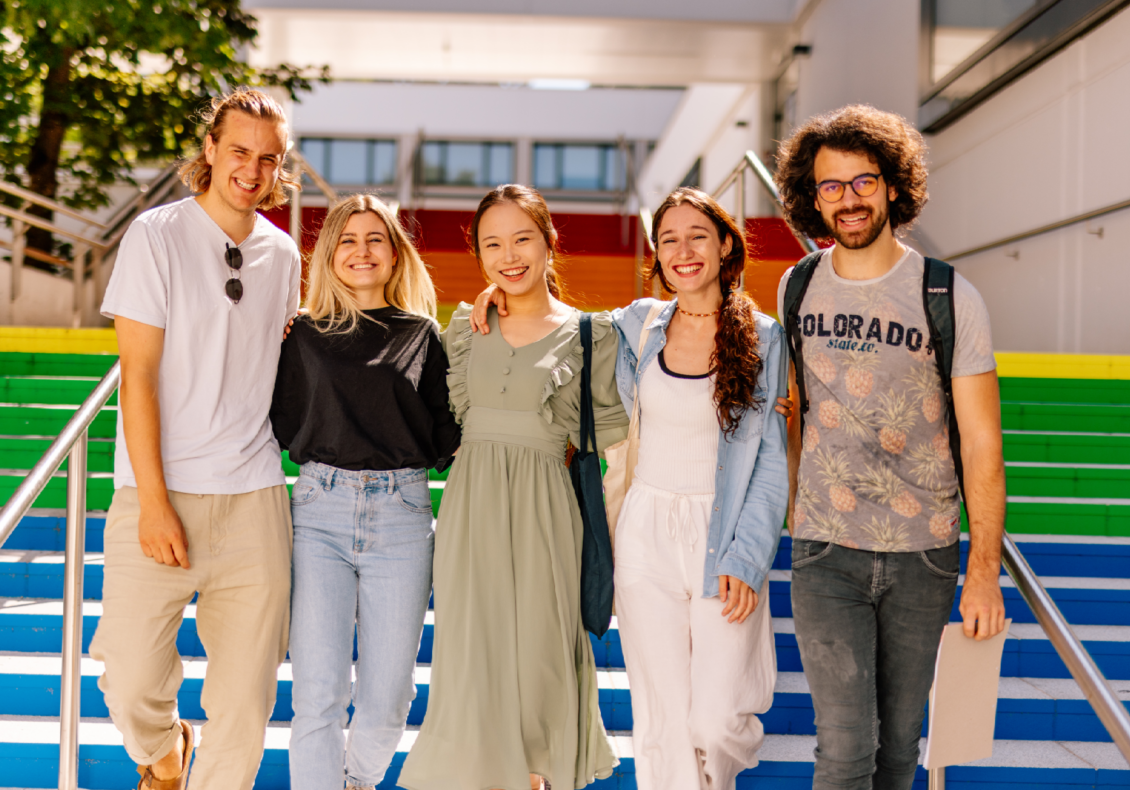
Prof. Dr. Ada Pellert: To give you an example, we are now launching a combined degree programme with which we want to promote unusual combinations of studies more systematically, such as Language Studies with Entrepreneurship or Computer Science with Science Communication. I am convinced that this is exactly the kind of combination that is needed in today’s working world. Students should be able to ask themselves: What suits me? What am I interested in? How can I raise my profile? We want to support them in pursuing their passions without losing sight of the job market. University graduates also act as agents of change, and we want to encourage them to do so. That is why we anchor entrepreneurship and social innovation as a mindset.
How would you classify Carinthia’s higher education landscape in a national and international comparison? Where are you now and where do you want to go?
Prof. Dr. Ada Pellert: I also came to Carinthia because I see it as an exciting European region. Developments such as the Koralm Tunnel reinforce this. Its location on the border with Italy and Slovenia and its proximity to Styria are huge plus points. My vision is to make even better use of this potential through cross-border networking. Students should experience where they are studying – with all the advantages and special features of the region – and think about the Alpine-Adriatic economic area, from Venice, Trieste, Udine, Ljubljana and Maribor to Croatia.
Which subjects are currently in vogue in Carinthia, and does this correspond to the needs of local companies?
Prof. Dr. Ada Pellert: Robotics and artificial intelligence are on everyone’s lips, also internationally. There is fertile ground here with non-university research such as Joanneum Research, interesting internship opportunities, and good career prospects.
The media and communications sector is also booming. New study programmes such as Digital Media, Culture, and Communication are going very well. Classics such as Law, Business Administration, Cultural Studies and Teaching remain important cornerstones. Combined studies allow the combination of Law and Philosophy, for example. This creates exciting profiles for the job market.
In your publications, you repeatedly deal with digitalisation and new learning formats. Until 2021, you were a member of the German Federal Government’s Digital Council. What role do key technologies such as digitalisation play for Carinthia?
Prof. Dr. Ada Pellert: A very big one. Our university is located right next to Lakeside Park – a lively technology park centred around IT. This is a classic win-win situation: companies develop exciting projects, while students get involved and can try things out. Start-ups emerge, the best known so far being Bitmovin. I think it’s a good place to start and continue. If we appoint a professorship for Virtual and Augmented Reality, for example, this will result in networking with teaching, with the production and service sectors, with health issues. Digitalisation is both a field of research and a tool for the further development of the university.
Are there currently any projects at the university that you find particularly promising?
Prof. Dr. Ada Pellert: We are working intensively on the submission of a COMET centre – a cooperation between science and business. The topic surrounds the resilience of organisations through decentralised, autonomous, dynamic, loosely coupled IT systems. This may sound abstract, but it is just as relevant for energy companies as it is for logistics or healthcare organisations. It’s about technology as well as organisation and, ultimately, change management. Such a centre would be a platform for strong cooperation. That’s why I think it’s extremely important that we pull together here.
In which areas do Carinthia’s universities work hand in hand? And how does this benefit the entire region?
Prof. Dr. Ada Pellert: We live our motto of “The future belongs to intelligent cooperation” every day in the University Conference along with Carinthia University of Applied Sciences, Carinthia University of Teacher Education and Gustav Mahler Private University. One example is digital health, a project close to my heart. CUAS is strong there with medical degree programmes and research in the fields of medicine and technology. On closer inspection, however, we also found starting points for how the Carinthia University of Teacher Education and Gustav Mahler Private University can get involved, which I think is wonderful. Other topics include entrepreneurship and social innovation, including in cultural and technical education.
Where and how do you promote your university internationally as a location for education?
Prof. Dr. Ada Pellert: This is another topic where we can join forces and need a common strategy – with the other universities and the provincial government. Many people are not even aware that 60% of value creation in Carinthia comes from industry, not from tourism, which many would assume to be the strongest economic factor. There is still a lot of potential. Carinthia is an area full of opportunities for study and research in a great environment at the intersection of three cultures. Together, we would like to demonstrate this even more. The beauty of the location is a USP, and we should definitely make the most of this.