Carinthia.com: Before the GMPU was founded, eight out of ten graduates of the Carinthian Conservatoire left to complete their degree elsewhere. Today, students come from 17 nations. What has changed?
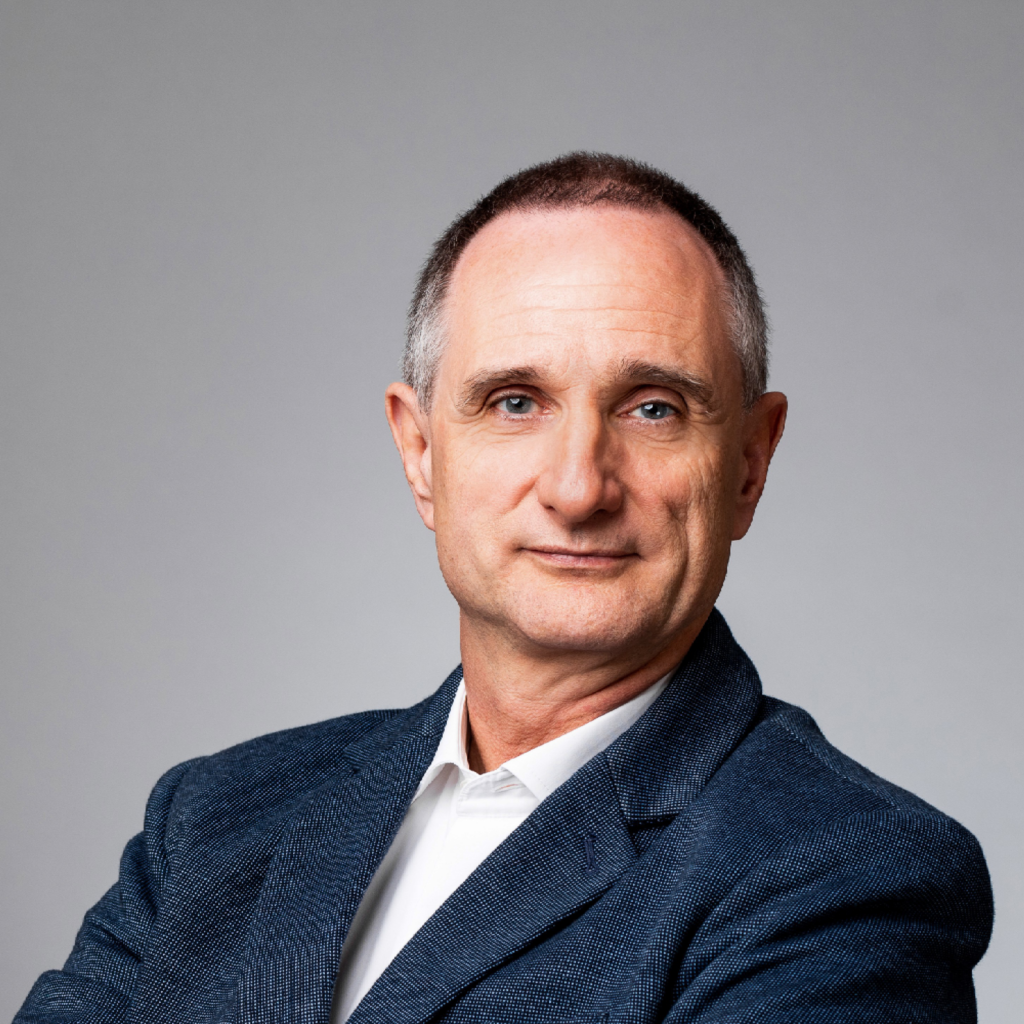
Roland Streiner: The main difference lies in the range of academic degrees available. Today, we offer BA and MA degrees in over 50 study courses in instrumental and vocal pedagogy, as well as musical performance art. In addition, we conduct scientific-artistic and scientific-pedagogical research. This is complemented by a new campus, new teaching formats and our “Music Development Cluster” with Carinthian music schools.
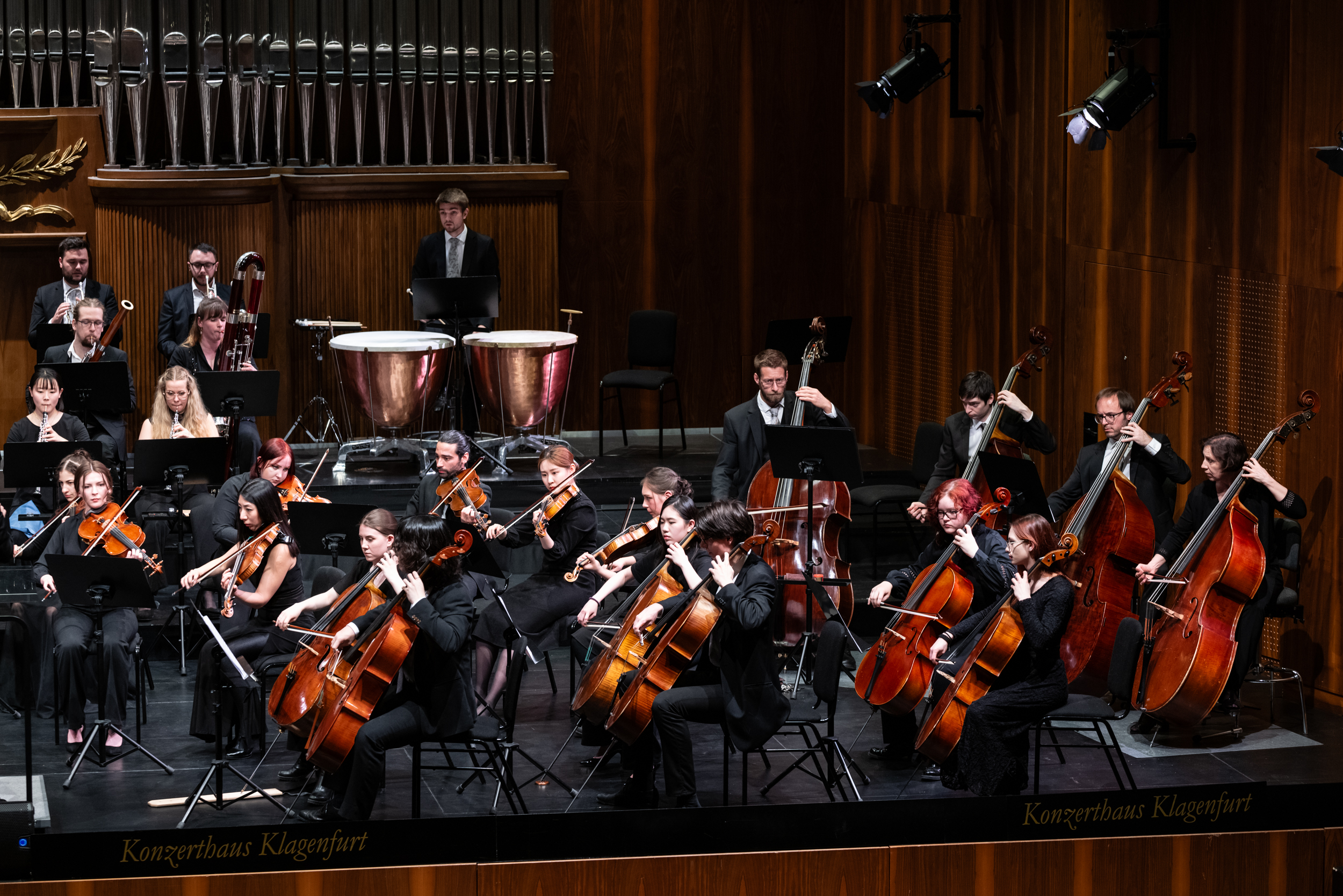
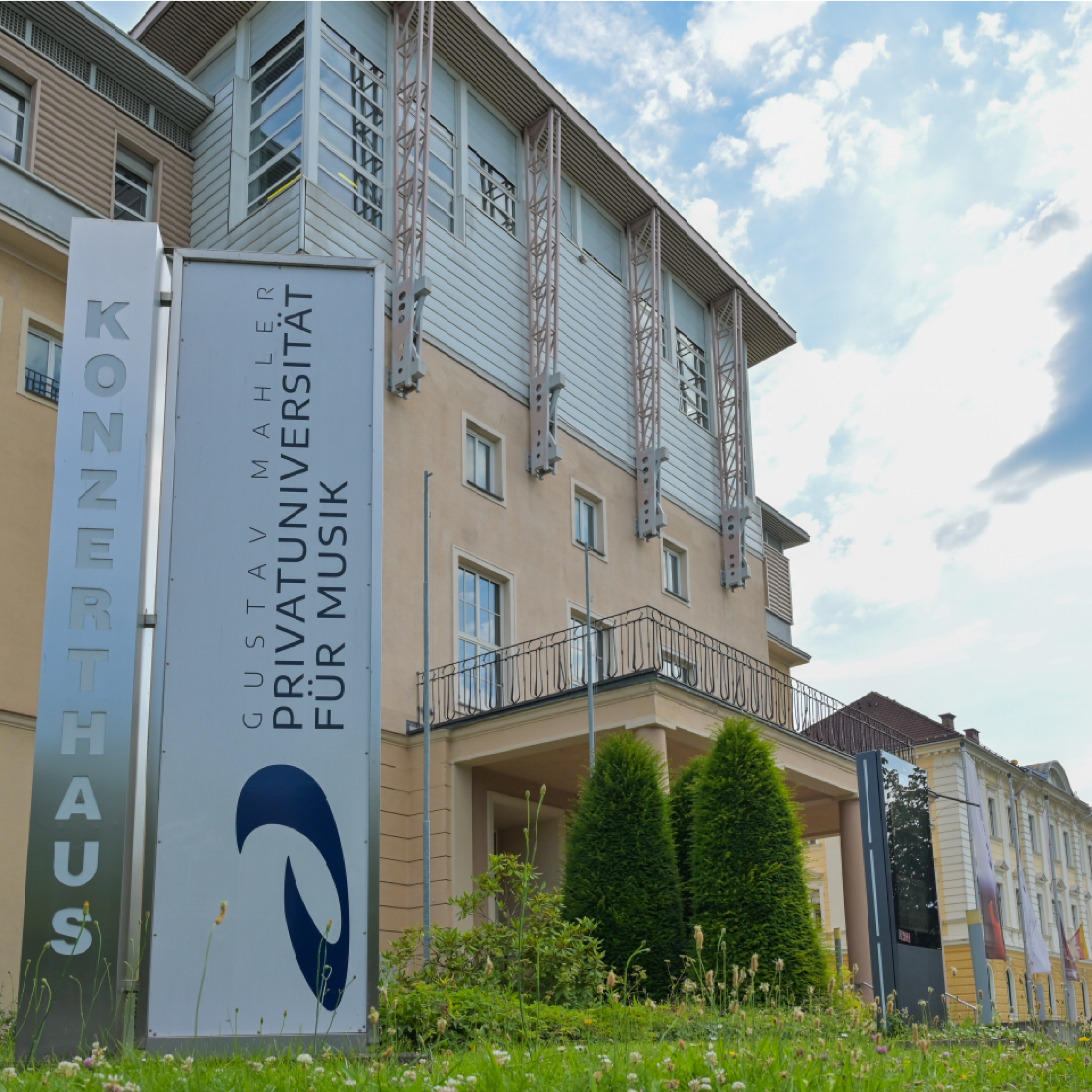
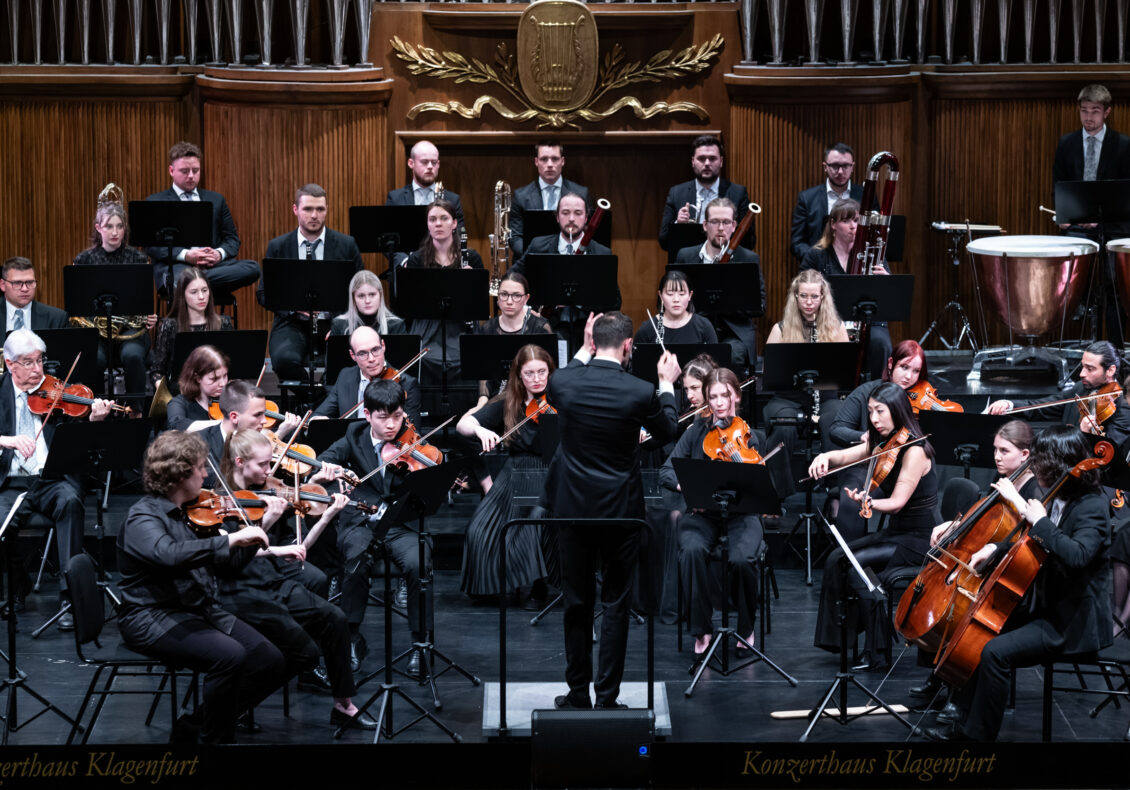
It is crucial that, as a university, we credibly pursue the goal of shaping talents into artistic personalities. Thanks to our location at Konzerthaus Klagenfurt, we offer direct stage experience – we are a “University on Stage”. Our students and teaching staff also particularly appreciate the informal atmosphere, which, combined with the highest quality of training, characterises the GMPU today.
What significance does the cultural spectrum have for Carinthia as a scene?
Roland Streiner: It is two-fold. On the one hand, cultural events themselves are an economic factor, especially for tourism and urban development. I also assume that the opening of the Koralm Railway – which will connect the provincial capitals of Graz and Klagenfurt in 45 minutes – will enhance Klagenfurt as a location for culture.
On the other hand, they are a soft pull factor: people who live here benefit from a high quality of life and cultural diversity. This is also a strong attraction for a potential skilled workforce and companies looking to settle in Carinthia.
How important are music and musical education in Carinthia?
Roland Streiner: Very important. Art and above all music play a major role in Carinthia and the Alps-Adriatic region. We live here at the intersection of three cultures and at the GMPU we pursue an approach that we call “360 degrees of music”. We cross cultural, artistic and geographical borders precisely because we value and recognise them. We stand for variety, internationality and diversity, which we see as sources of artistic inspiration.
What else makes Carinthia particularly attractive as a place to study?
Roland Streiner: Carinthia was and is a source of strength and inspiration for many artists. Mahler, Brahms, Berg – they were all repeatedly drawn to Lake Wörthersee. Udo Jürgens, who grew up in Carinthia and received his training at the Carinthian Conservatoire, was also musically influenced here.
The fact that Klagenfurt is embedded in a beautiful natural, lake and mountain landscape, enhances its attraction as a place to study, because young people have an incredible variety of leisure activities to choose from, alongside their studies.
Through the Carinthian University Conference, the GMPU is in regular contact with the University of Klagenfurt and Carinthia University of Applied Sciences. To what extent do the universities inspire each other?
Roland Streiner: We are in close contact and work on joint projects, such as the “University Didactics” certificate, which aims to further improve the quality of teaching. The opening of a branch office of the Southeast Europe Association in autumn 2023 as a cooperation between the GMPU and the University of Klagenfurt is also considered a lighthouse project.
As a university conference, we can, of course, also raise public awareness of issues that are important for the further development of the study location, such as the issue of student accommodation, where we are jointly campaigning for more affordable housing.
Is Carinthia also regarded as a scene for innovation in the artistic and cultural sector?
Roland Streiner: Yes, and our institute stands for exactly that. We conduct scientific research in the field of Artistic Research (AR), i.e. research in and through the arts. At the centre of AR are artists as involved researchers whose practice is a central part of the method. We are pursuing the goal of being able to offer a doctoral programme in the coming years.
Most of your professors have a worldwide reputation. Why do you think they settled in Carinthia? And are they also magnets for attracting young talent to the region?
Roland Streiner: The decision to study at a particular music university depends very much on the teachers. Students look for “their professors” with whom they want to take the next decisive steps in their artistic development. It requires a deep and understanding relationship of trust between students and teachers and I believe we can offer this in the best possible way.
We can be proud of the fact that the GMPU has developed into an attractive place to work for teaching staff in a very short period of time.